


 Deutsch
 English
 Español
 Français
 Nederlands
 Português


 Share
Share




US and Iran Confirm First Agreements to End War, Including in Lebanon
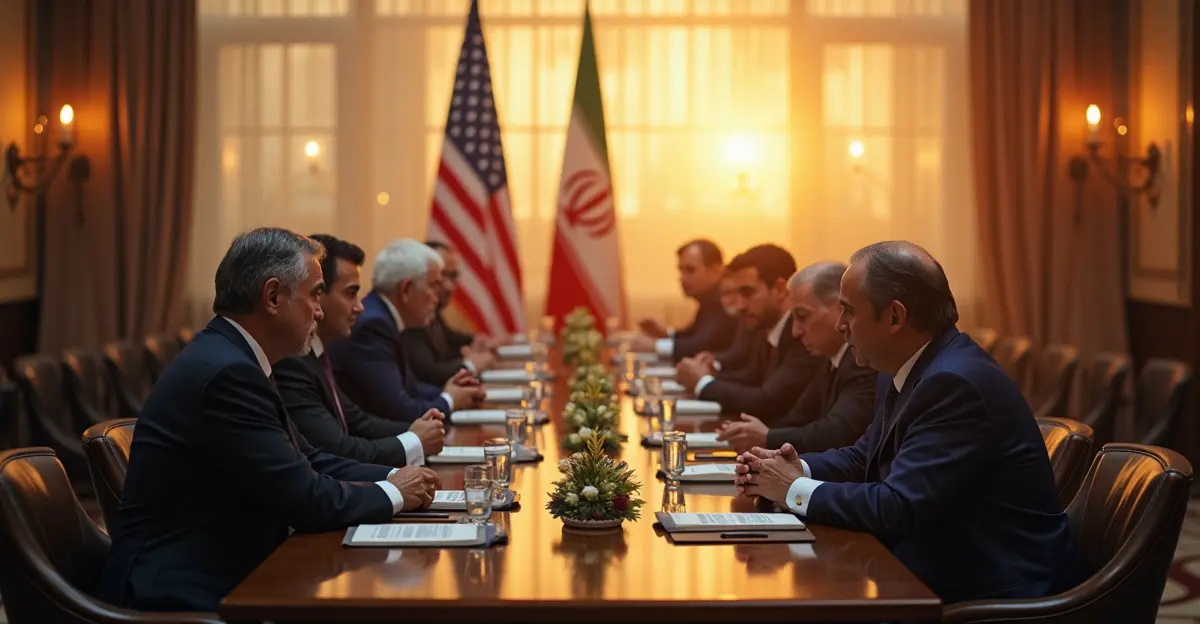
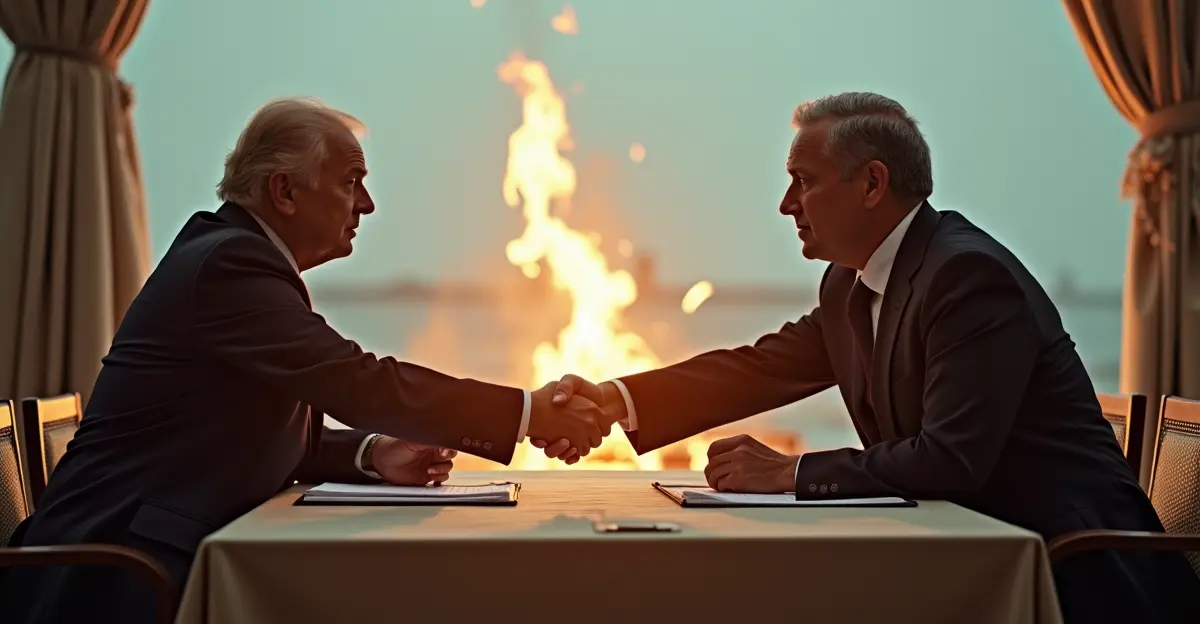
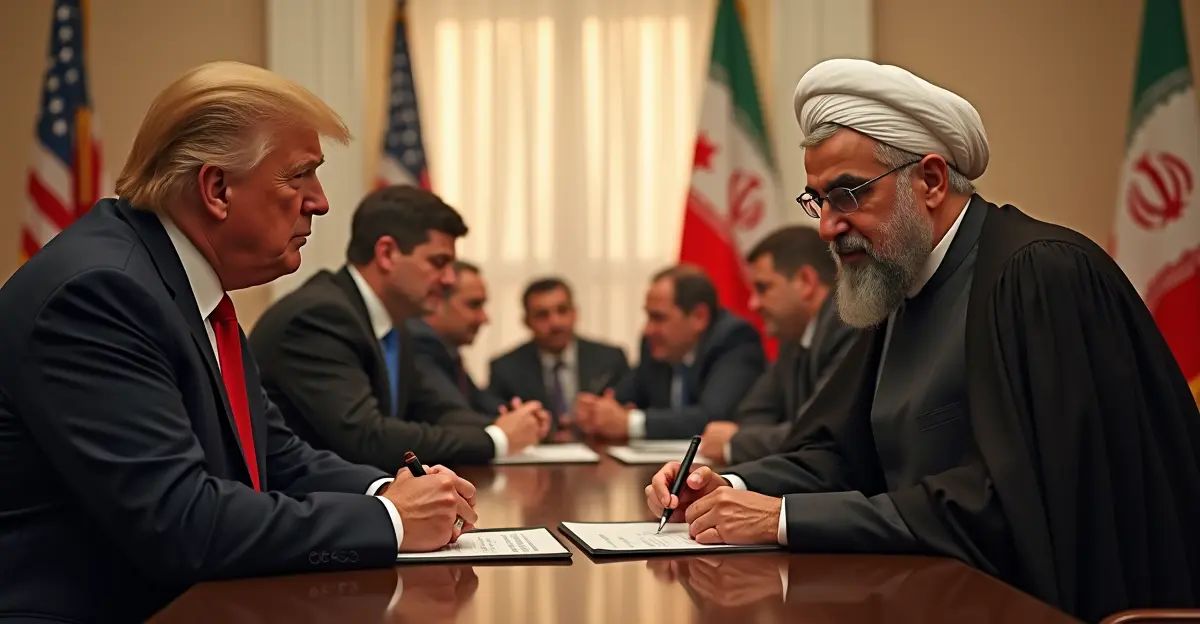
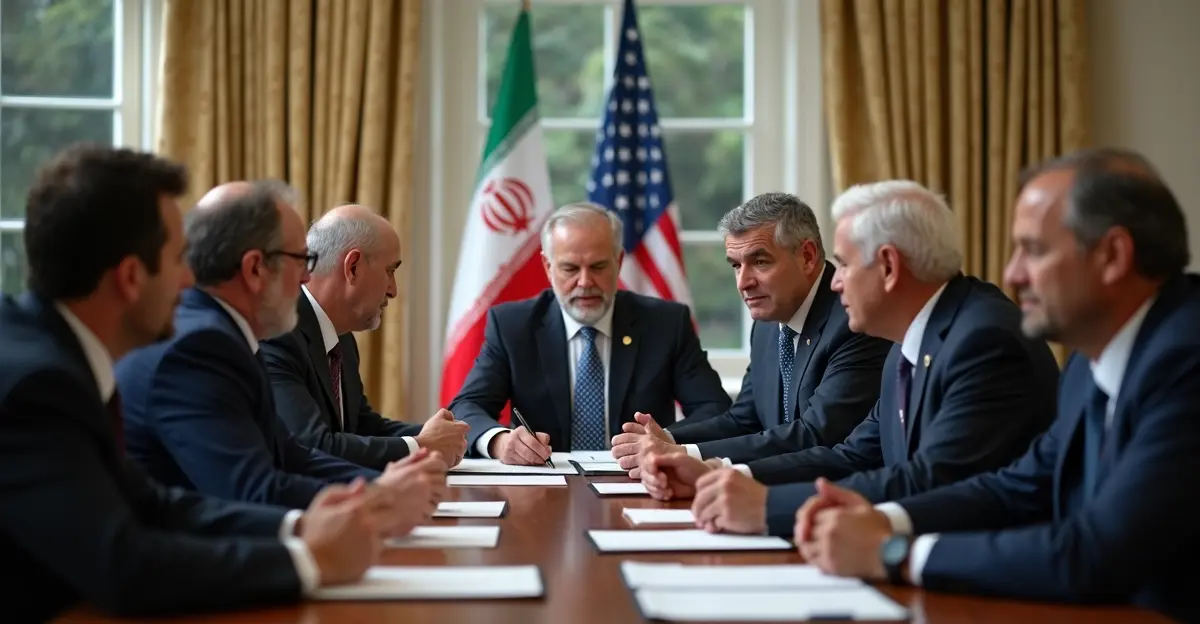
The United States and Iran have reached a landmark agreement to end hostilities that began in February 2026, with a formal signing ceremony scheduled for June 19 in Switzerland. Pakistani Prime Minister Shehbaz Sharif, who mediated the talks alongside Qatar, Saudi Arabia, and Turkey, announced the deal on June 15, calling it a "peace accord" that also covers the war in Lebanon. The agreement includes the reopening of the Strait of Hormuz, which has been effectively closed since late February, disrupting global oil supplies and sending energy prices soaring.
Both Washington and Tehran confirmed the breakthrough, though interpretations of key terms remain divergent. US President Donald Trump declared on Truth Social that he had authorized the immediate removal of the US naval blockade of Iranian ports, effective Friday, after mines are cleared. "Let the oil flow!" he wrote. Iran's state television framed the deal as a victory, with a senior military commander stating that the US was "forced" to accept terms. Iran's semi-official Tasnim news agency reported that Iran would also lift its blockade of the strait from Friday, allowing commercial shipping to resume through the critical waterway.
Background: The 2026 Iran War
The conflict erupted on February 28, 2026, when the United States and Israel launched coordinated airstrikes on Iranian military installations, nuclear facilities, and government sites. The strikes killed Iran's Supreme Leader Ali Khamenei and dozens of senior officials. In retaliation, Iran fired hundreds of missiles and drones at Israel, US bases across the Middle East, and several Gulf states, while sealing off the Strait of Hormuz — through which about 20% of the world's oil passes. The war quickly escalated into a broader regional crisis, drawing in Hezbollah in Lebanon and triggering Israeli ground operations there. By June 2026, over 3,500 civilians had been killed in Lebanon alone, and more than one million people were displaced. The 2026 Iran war timeline shows a rapid escalation from airstrikes to a full-blown regional conflict.
The economic toll has been staggering. Oil prices spiked above $130 a barrel in March, and the cost of the war to the US military alone reached nearly $29 billion by May. Global supply chains were severely disrupted, and inflation rose sharply in many countries. The closure of the Strait of Hormuz cut off roughly 17 million barrels per day of crude oil and petroleum products, triggering what analysts called the largest oil supply disruption in history.
Key Provisions of the Agreement
The 14-point Memorandum of Understanding (MoU), referred to as the Islamabad Memorandum, was finalized after weeks of intense negotiations. Key elements include:
- Immediate and permanent ceasefire: All military operations on all fronts, including Lebanon, are to cease immediately. However, both the US and Iran have indicated they will only adhere to certain terms starting Friday.
- Reopening of the Strait of Hormuz: The waterway will be reopened within 30 days. Iran will manage traffic under its own arrangements, while the US will lift its naval blockade.
- Sanctions relief: The US will suspend sanctions on Iranian oil exports and release approximately $24 billion in frozen Iranian assets. A $300 billion reconstruction fund for Iran is also part of the framework.
- Nuclear program deferred: The most contentious issue — Iran's uranium enrichment and potential weaponization — has been pushed to a 60-day negotiation window. The US had demanded Iran surrender its enriched uranium stockpile, which Tehran had previously refused.
- Lebanon ceasefire: The deal includes a commitment to end hostilities in Lebanon, where Israel has been fighting Hezbollah since April. Israel has not officially responded, and far-right Israeli ministers have rejected the agreement.
The MoU is legally non-binding, serving as a framework for further talks. Pakistani officials told the Associated Press that 60 days are set aside for follow-up negotiations, with the possibility of extension. The US Iran nuclear negotiations will be among the most critical topics during this period.
Divergent Narratives
Despite the agreement, significant differences in interpretation persist. Trump framed the deal as an American victory, claiming Iran had been forced to capitulate. Iran's leadership, however, portrayed it as a triumph of resistance. "The United States could not do anything but admit its defeat," a senior Iranian commander said on state TV. Iran's Foreign Minister Abbas Araghchi confirmed that a memorandum "has never been closer" but cautioned against speculation on details. The ambiguity echoes past breakdowns in US-Iran talks, where disagreements over fine print derailed progress.
Global Reactions and Market Impact
The announcement was met with cautious optimism worldwide. UK Prime Minister Keir Starmer, French President Emmanuel Macron, and German Chancellor Friedrich Merz issued a joint statement welcoming the deal, signaling readiness to lift sanctions on Iran in exchange for verifiable nuclear steps. Japan also welcomed the agreement, emphasizing the importance of free navigation in the Strait of Hormuz. Egypt called the deal a potential "turning point" for regional stability.
Financial markets reacted strongly. Brent crude oil fell about 4% to $83 a barrel on June 15, while West Texas Intermediate slid to $80.80 — both hitting three-month lows. Stock markets rallied on hopes that easing energy costs would temper inflation and boost consumer confidence. However, energy experts cautioned that oil and gas supplies could take months to fully normalize after the prolonged disruption.
Israel, notably excluded from the negotiations, remained a wild card. Israeli Defense Minister Israel Katz stated that the IDF would remain in Lebanon, Syria, and Gaza "indefinitely," while far-right minister Bezalel Smotrich called the deal "bad for Israel." Tensions between Prime Minister Benjamin Netanyahu and US negotiators have been reported, with Netanyahu blaming Trump's envoys for sidelining Israeli interests. The Israel Lebanon conflict 2026 may prove to be a persistent obstacle to full implementation.
Challenges Ahead
Several critical issues remain unresolved. The nuclear question is the most volatile: Iran's enriched uranium stockpile, which could be weaponized, was a primary casus belli for the US. The 60-day negotiation window will test whether a compromise can be reached. Additionally, Iran's ballistic missile program and its support for regional armed groups like Hezbollah and the Houthis were deliberately excluded from the agenda, meaning these sources of tension will persist.
The deal's implementation also faces practical hurdles. Clearing mines from the Strait of Hormuz will take time, and restoring full shipping traffic could take weeks. The release of frozen assets and lifting of sanctions will require complex financial and legal coordination. Moreover, hardliners in both Washington and Tehran have already criticized the agreement, raising the risk of political sabotage.
Pakistan, which emerged as a key diplomatic broker, has positioned itself as a indispensable mediator. Prime Minister Sharif stated that "peace has never been this close" and thanked Qatar, Saudi Arabia, Turkey, and Egypt for their support. The Islamabad Memorandum, named after the city where the final text was negotiated, represents a significant diplomatic achievement for Pakistan.
FAQ
What is the US-Iran peace deal?
The US-Iran peace deal is a 14-point Memorandum of Understanding brokered by Pakistan that aims to end the 2026 Iran war. It includes a ceasefire, reopening of the Strait of Hormuz, sanctions relief, and a framework for future nuclear negotiations. A formal signing is scheduled for June 19, 2026, in Switzerland.
When will the Strait of Hormuz reopen?
Under the agreement, the Strait of Hormuz is to be reopened within 30 days of signing. The US has committed to lifting its naval blockade by June 19, and Iran will lift its blockade simultaneously. However, clearing mines and restoring full shipping traffic may take additional time.
What happens to Iran's nuclear program under the deal?
The nuclear issue has been deferred to a separate 60-day negotiation period. The MoU does not require Iran to immediately dismantle its enrichment program, but the US insists that any final agreement must block Iran from developing nuclear weapons. Iran has reiterated its commitment not to produce nuclear weapons but has not agreed to give up its enriched uranium stockpile.
How does the deal affect the war in Lebanon?
The ceasefire applies to all fronts, including Lebanon, where Israel has been fighting Hezbollah since April 2026. However, Israel has not formally accepted the terms, and its defense minister has stated that Israeli forces will remain in Lebanon indefinitely. The deal's impact on the ground remains uncertain.
Why did Pakistan mediate the talks?
Pakistan has longstanding diplomatic ties with both the US and Iran and offered to mediate as a neutral party. Prime Minister Shehbaz Sharif personally led the mediation effort, with support from Qatar, Saudi Arabia, Turkey, and Egypt. The Islamabad Memorandum is named after the capital where the final text was negotiated.

Follow Discussion